

Six Things We Learned at Intersolar Europe 2026
July 20262 min read
After a full circuit of the halls at Intersolar Europe 2026 (and genuinely close to 10km of walking), a few clear trends stood out from a solar and BESS construction and delivery perspective.

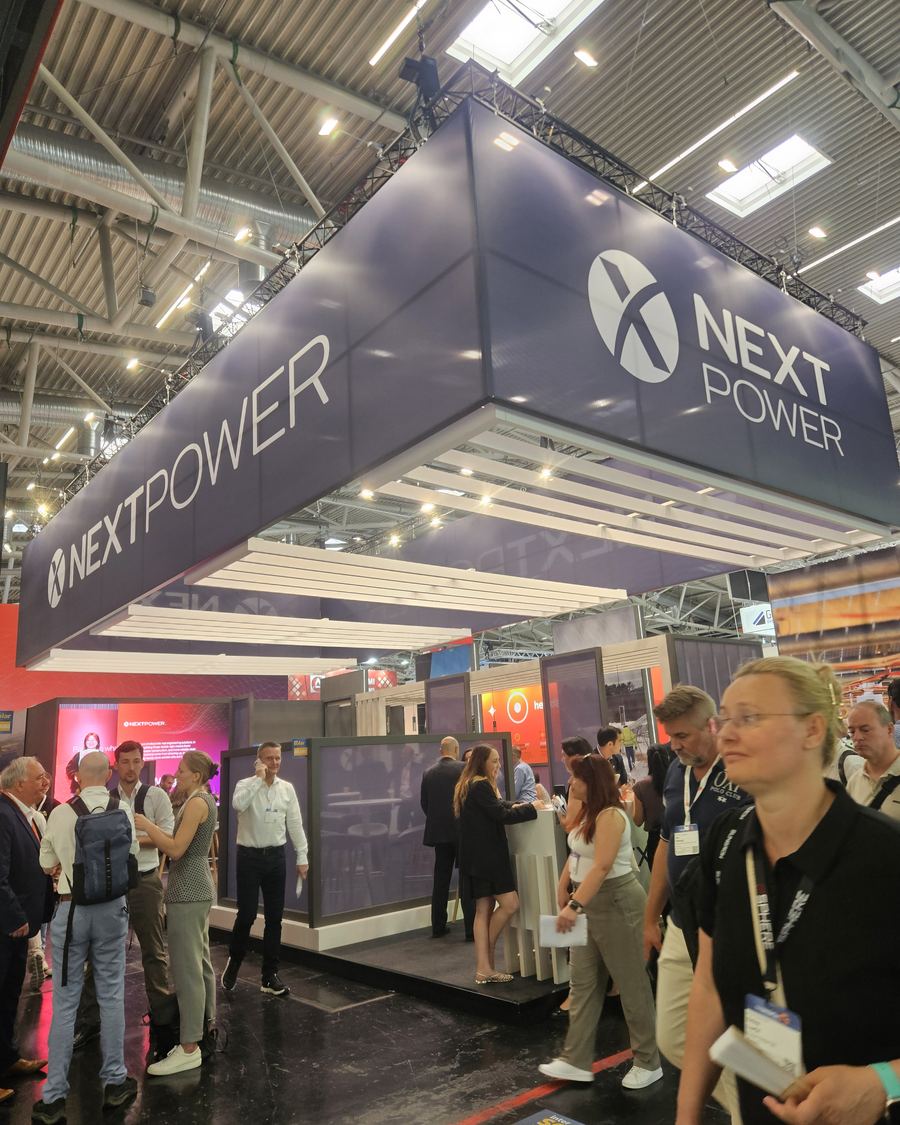
- Hardware competition is intensifying. Fewer robotics solutions than expected, but a huge presence of racking and tracker providers all competing aggressively for market share. The battle for marginal gains in install speed, cost and adaptability is clearly heating up.
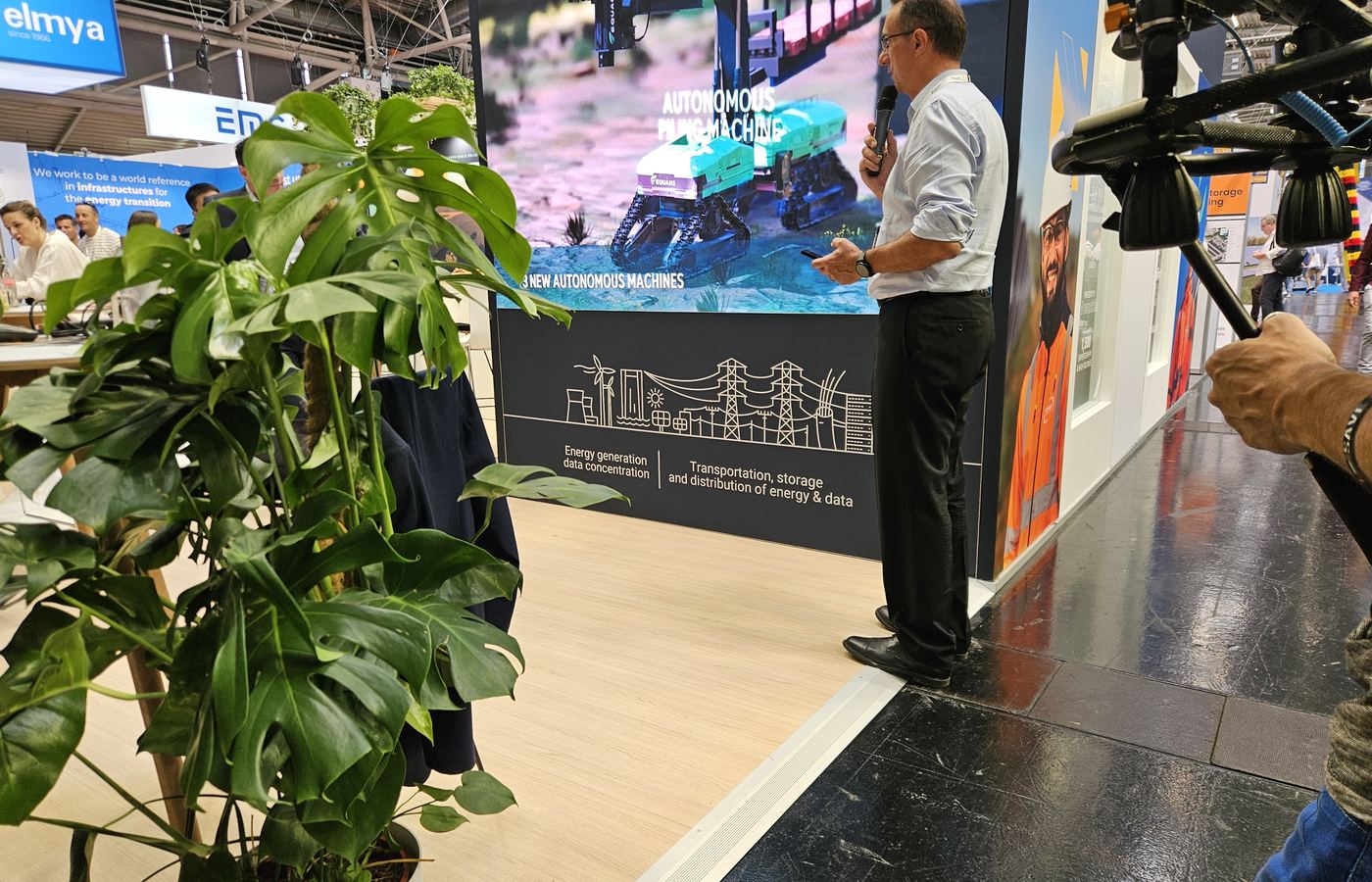
One of the few robotics showcases: an autonomous piling machine - Regional construction dynamics are shifting. Activity is accelerating across Europe, but with distinct regional patterns: the UK, Ireland and Germany showing strong momentum in fixed-tilt builds; Spain's continued dominance of 1P tracker systems; Italy's rapid growth in 2P trackers, driven largely by favourable government subsidies alongside agri-complementary technologies. The diversity of system design across markets is becoming more pronounced - and more strategic.
- Batteries are now competing for space, not just integration. Energy storage is no longer an "add-on" - it's reshaping site design and ROI. Batteries are competing directly with PV for physical footprint, forcing new trade-offs in layout, yield optimisation, and construction planning and delivery.
- Digital construction still has a gap to close. Plenty of companies are analysing models - often with drones - but there's less evidence of meaningful insight into actual construction progress, productivity and quality. The industry is strong on data generation, but still maturing in turning that data into actionable intelligence on-site.
- Post-construction analytics are going mainstream. The startup ecosystem is heavily focused on engineering calculations and performance analysis after asset commissioning - and these capabilities are now becoming financially viable not just for utility-scale, but also for C&I and even residential portfolios. Analysis pre-construction remains comparatively opportunistic.
- A different feel to the event itself. Attendance felt slightly down on previous years and more locally concentrated than expected, with a strong German presence.


Key takeaway: the industry is scaling rapidly, but construction innovation - particularly in digital execution and real-time insight - still has significant room to catch up with hardware and market growth.